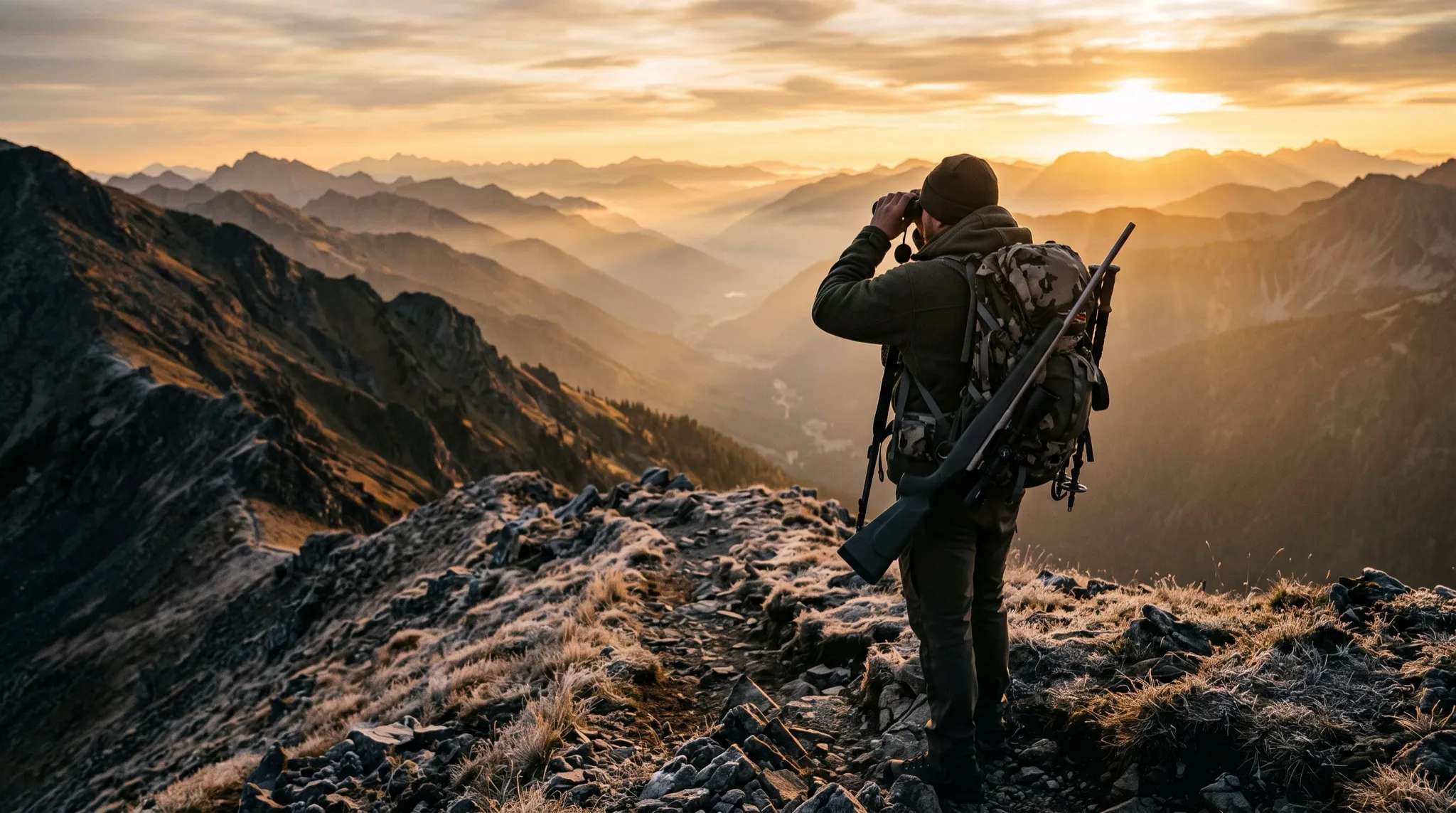
Scroll your website the way a stranger would and count the people in the photos — the actual humans, not the scenery. On a lot of guide sites it’s the same guy over and over: grip-and-grin, sunglasses, trophy in the lap. Nothing wrong with that guy — he’s a great client. But he’s not the only one reaching out anymore, and a whole lot of guide marketing still quietly says for experienced men only: tough-guy tone, a wall of trophy shots, no sign anyone else would be at home on the boat.
That signal costs you trips. Women and families are one of the biggest growth stories in the outdoors right now, and most of them can tell in a few seconds whether a site was built with them in mind. If it wasn’t, they book the outfit that made them feel welcome. Here’s how to be that outfit — without a pink logo and a token photo, because people smell that a mile off.
This isn’t politics. It’s a bigger calendar.
Let’s get this out of the way, because it makes some guides flinch: this has nothing to do with taking sides. It’s math.
More people fishing and hunting means more inquiries, and women and families are where a lot of that new interest is coming from — a dad booking a first trip for his kid, a group of women who took a casting class, a couple where she’s the one who caught the bug. And a family that had a great first day out beats a one-off: they come back next summer, and a mom’s recommendation in a group chat beats any ad you’ll ever run.
You don’t have to change who you are or what you love. You just have to stop hanging a keep out sign on the door.
Show the range of people who actually fish and hunt with you
The biggest fix is also the easiest: put up real photos of the real range of people you take out. The dad and the eight-year-old with her first trout. The women’s group grinning on the drift boat. The grandmother who out-fished everybody. If those trips happen on your water and you only show the trophy-grip guy, you’re hiding your best marketing.
A woman deciding where to book looks for one thing first: is there anyone in these photos who looks like me? If not, she’s already gone.
It’s the same principle behind how clients choose a guide — people book what they can picture themselves in. Don’t have those photos yet? That’s a sign to start taking them, not to stage one and call it done.
Speak plainly to what families and women often want
The words matter too. A lot of guide copy is written to impress other guides — jargon, hero talk, odds and inches — which reads as a closed club to someone planning a first trip. Write to what these clients are actually wondering:
- Is this guide patient and no-judgment? A first-timer’s biggest fear isn’t the fish — it’s slowing everybody down. Say plainly that you love teaching and nobody’s expected to know anything.
- Can we go at our own pace? Tell them the day is flexible — shorter, slower, kid-friendly stretches are fine.
- Are kids actually welcome, or just tolerated? There’s a difference and people feel it. If you’re good with kids, say so.
- Will this be a good first experience? Often the goal isn’t a trophy — it’s a day that turns someone into a lifelong angler. Sell that.
None of this is dumbing anything down. It’s answering real questions instead of posturing — and warm, straight language books a nervous first-timer better than any hero shot.
Offer trips that actually fit
Welcoming words go only so far if the only thing on your menu is a full-day, sunup-to-sundown grind. Meet these clients where they are.
- Family half-days. A four-hour trip that ends before the meltdown beats a full day nobody enjoys.
- Intro trips. A relaxed, teaching-focused option for first-timers. Name it that way so they know it’s for them.
- Flexible options. Let them shape the day instead of forcing everyone through the same template.
And be honest about the practical stuff — bathrooms on a long float, how cold it gets, whether the wading’s safe for a kid. Answer it plainly and you’ve removed the exact worries keeping someone from hitting book. That’s part of what a good site and marketing setup does: answer the honest question before it’s a reason to walk.
Be genuinely welcoming — because pandering is worse than nothing
Here’s the line you can’t fake your way across: everything above only works if it’s real. People planning a first trip are already nervous, which makes them sensitive to phoniness. A stock photo of a woman you’ve never guided, a “we welcome everyone!” banner over a site that’s otherwise all trophy grips — it reads as pandering, and pandering lands worse than saying nothing.
The real version is simpler, and mostly internal. Actually be patient with a beginner. Actually run the kid-friendly half-day well. Actually make the women’s group’s day great. Do that and the photos, the words, and the reviews take care of themselves — because now they’re true.
Your welcome-everyone checklist
Run your site and your trips against this:
- My photos show the real range of people I take out — not just the trophy-grip shot.
- My copy says, in plain words, that first-timers and kids are genuinely welcome.
- I offer at least one trip that fits a family or a beginner — a half-day, an intro option.
- I answer the practical worries (pace, safety, what a day’s really like) before they’re asked.
- Nothing on my site is a token gesture — every welcoming word is backed by how I actually guide.
Every box you can’t check is a family that took one look and booked somebody else.
The bottom line
Women and families aren’t a niche to bolt onto your marketing. They’re a growing share of the people who want exactly what you offer — a great day outside with someone they can trust to make it good. Welcome them for real, and your calendar fills wider, your repeat bookings climb, and the word travels for you.
Want a second set of eyes on whether your site welcomes everyone who’d love a day with you? Book a quick call and we’ll walk through it together — or just message the one in the corner of this page and see how a warm, straight answer feels.