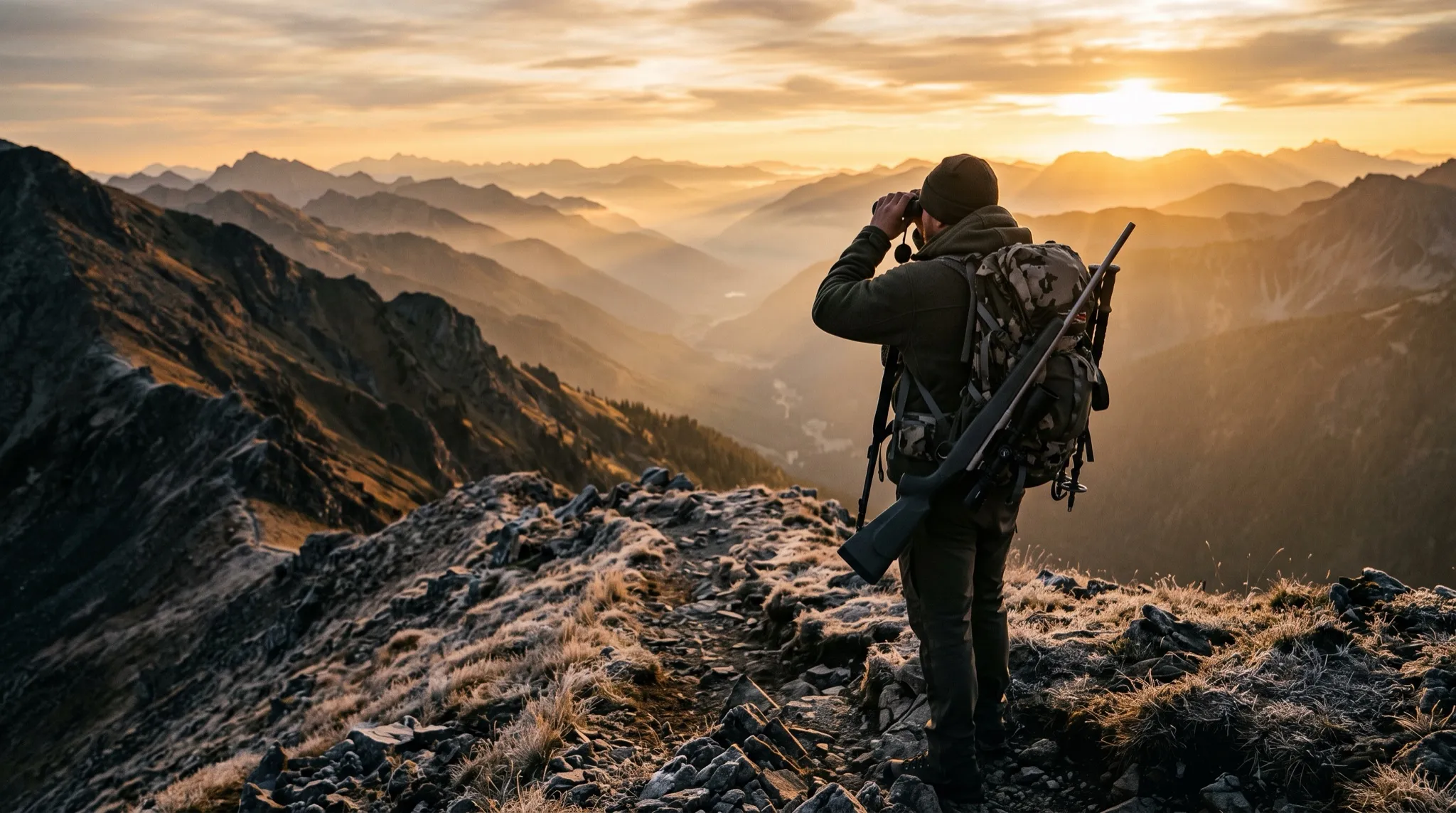
A guy decides he wants to chase elk in Colorado this fall. He doesn’t open a brochure. He opens Instagram, types in a few words, and starts scrolling through bulls, camps, and grip-and-grins until one outfit makes him think that’s the trip I want. By the time he ever lands on your website, he’s already half-sold — or he never finds you at all.
That’s the part a lot of guides miss. Social media isn’t a vanity project or a place to chase likes. For a hunting or fishing brand, it’s the shop window, the reference check, and the daily reminder that you exist — all running at once.
Social media for hunting and fishing brands is proof, not bragging
Booking a guided trip is an act of trust. A client is handing you real money and a week of vacation on the bet that you’ll put them on fish or game. They can’t test-drive that. So they look for proof.
Your feed is the proof. A steady stream of recent fish, happy clients, and honest conditions tells a stranger more than any sales page can. It answers the quiet question every prospect is really asking: are these guys actually catching, right now, in real life?
Nobody books the guide with the slickest logo. They book the one whose last ten posts make it obvious the fishing is good and the people are happy.
You don’t need to be a content creator. You need to look like a working operation that’s on the water — because you are.
What to actually post (when you’re guiding all day)
The number one objection I hear is “I don’t have time.” Fair. You’re on the oars or in a treestand, not editing reels. But good outdoor social media is mostly documentation, not production. Shoot what’s already happening.
A simple rotation that works:
- Proof shots — the day’s fish or the morning’s bull, with a one-line caption about conditions. This is your bread and butter.
- The client win — a first-timer’s grin, a kid’s first trout. People book trips for that feeling, so show the feeling.
- Conditions and the calendar — “Blue-wings are popping on the tailwater, three open dates in October.” This quietly drives bookings.
- The behind-the-scenes — rigging rods at the truck, the dog in the drift boat, coffee at the trailhead. It builds the brand without selling.
- The honest miss — a tough, blown-out day handled with humor. Authenticity reads as trust.
Three to five posts a week beats a daily grind you’ll quit in a month. Consistency is the whole game. A feed that went dark in August tells a prospect more than you want it to.
Stories and short video do the heavy lifting
If you only have ten minutes, spend it on a quick vertical video. A clean cast, a net job, a fish sliding back into the current. Short, real, vertical clips outrun polished photos for reach right now, and they’re the closest a prospect gets to feeling like they’re in the boat with you.
The leak nobody talks about: the DM
Here’s where most outdoor brands quietly lose money. You build a good feed, someone watches for weeks, they get fired up, and they slide into your DMs at 9 p.m. with “Hey, you got anything open in October?”
You’re asleep. Or guiding. Or it’s buried under forty other notifications. Three days later you reply and they’ve already booked someone who answered that night.
Social media’s whole job is to create that moment of intent. If nothing catches it, you did all the work and handed the trip to a competitor. This is the same hole we covered in how outfitters lose bookings — the inquiry shows up when you physically can’t.
That’s exactly why we pair every social presence with the Spotter. When a follower asks about dates or rates — on your site or pointed there from a post — it answers in seconds, day or night, and captures the booking while you’re still in the field. The feed creates the spark; the front desk catches it before it cools.
Treat each platform like different water
You don’t fish a tailwater the same way you fish a freestone. Platforms are the same.
- Instagram is your main water — visual, where trips get dreamed up. Put your best proof here.
- Facebook still runs strong for older hunting and fishing demographics and local reach. Don’t write it off; a lot of $5,000 hunt clients live there.
- YouTube is the long game — a “how we fish this river” video can pull in bookings for years.
You don’t have to be everywhere. Pick one or two you’ll actually keep up and own them. A great Instagram beats five half-dead accounts.
Make the path from post to booking dead simple
A follower fired up by your feed should never have to hunt for how to book you. Your profile link should go straight to a fast page where the next step is obvious — call, message, or book. If they hit a slow site or a buried contact form, you lose them in the gap between wanting it and doing it.
This is where social and your website have to work as one system. The post earns the click; the site has to close it. We get into the structure that converts in why your outfitter website isn’t converting, and you can see how we build the whole funnel on what we do.
The bottom line
Social media for hunting and fishing brands isn’t about chasing fame. It’s the cheapest, most believable way to prove you’re catching, stay in front of people who are dreaming about a trip, and turn that daydream into a booked week.
Post the proof, stay consistent, and make sure something is there to catch the inquiry when it comes — because it always comes at the worst time for you to answer.
Want a feed that actually fills your calendar instead of just collecting likes? Book a quick call and we’ll map out a plan you can keep up with while you’re guiding, and wire it to a front desk that never misses the DM.