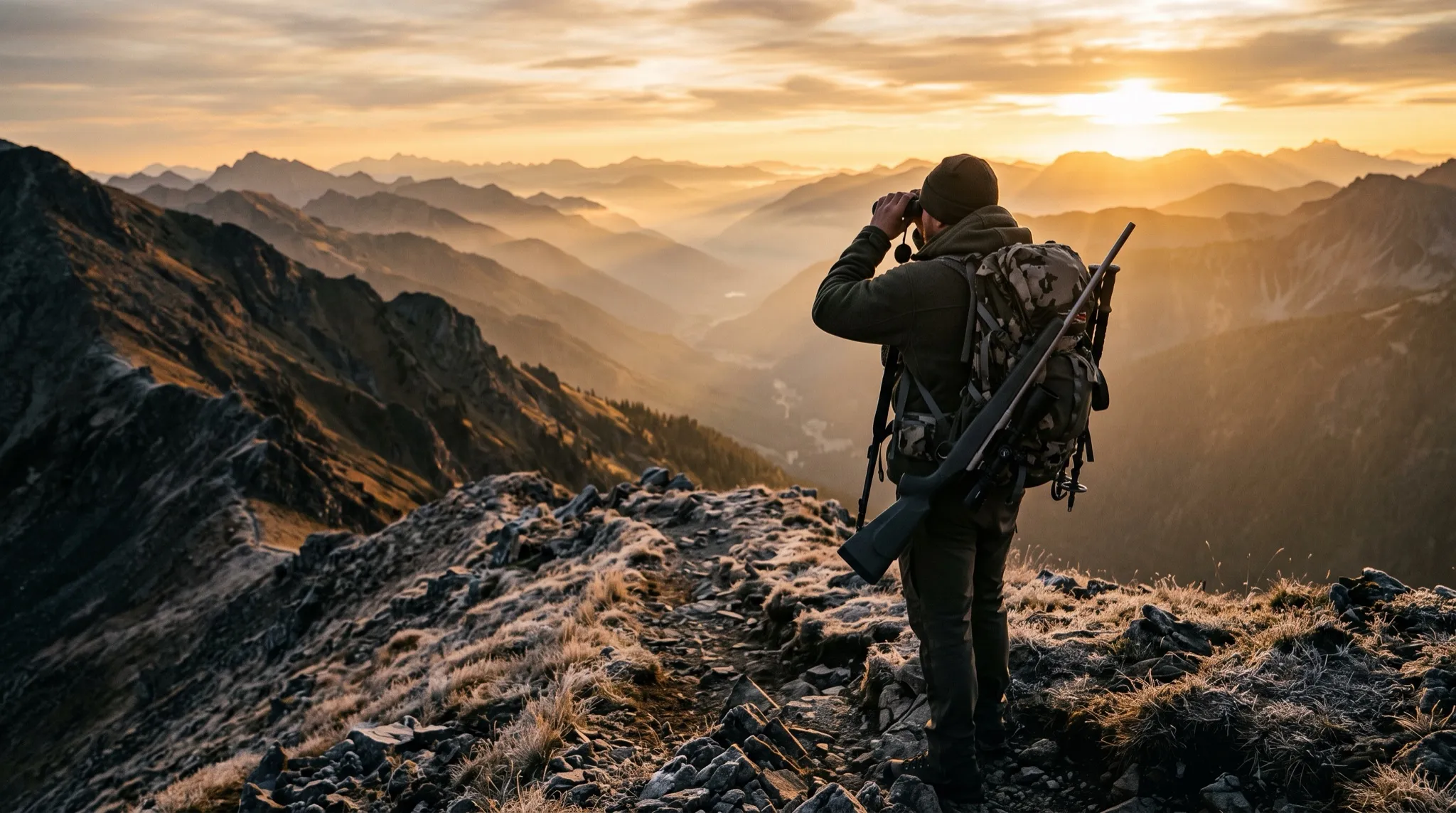
A hunter pulls into a gas station at the edge of cell coverage, one bar flickering, and taps your link while the pump runs. Your homepage starts loading. A heavy hero video. A slider of huge photos. Five seconds in, still a blank screen — and the gas clicks off. He closes the tab and books the outfitter whose page actually came up. He never saw your offer. He never knew there was one.
Speed is the most underrated thing on an outfitter’s website. It doesn’t show up in a screenshot, so nobody brags about it. But a slow site bleeds bookings every single day, silently, and you’ll never see the visitors it cost you.
Your clients are on bad signal, on phones
Think about where your clients actually are when they look you up. Trailheads. Boat ramps. Trucks on forest roads. Hotel rooms in small towns the night before a hunt. They’re on phones, often on one or two bars of LTE. That’s the real-world condition your site has to perform in — not a fiber connection on a 27-inch monitor.
A site that feels “fine” on your office WiFi can be unusable at the put-in. And the put-in is exactly where a ready client is most likely to pull you up.
Your website doesn’t get judged on your fast connection. It gets judged on one bar of signal in a truck. If it doesn’t load there, the booking doesn’t happen there.
Why fast websites for outfitters book more trips
Speed converts for reasons that compound on each other:
- People bounce fast. A visitor decides whether to stay in the first couple of seconds. If the page is still blank, a big share are already gone — and they don’t come back.
- Slow kills trust before a word is read. A sluggish, janky site makes a sharp outfit look amateur. Fair or not, load speed is the first impression.
- Google ranks fast sites higher. Page speed is a real ranking signal. A slow site doesn’t just lose the visitors it has — it gets shown to fewer people in the first place, which undercuts all your SEO work.
- Every step leaks. If the homepage is slow, the rates page is slower, and the booking form is slower still. The client gives up somewhere in that chain — often right before the part where they’d have booked.
You don’t need a fabricated percentage to feel this. Picture ten ready hunters tapping your link on weak signal. If two give up before the page paints, that’s two trips gone this week — and your analytics will never show you the hunters who left before the page even loaded.
What actually makes an outfitter site slow
The usual culprits are predictable, and most are fixable without a full rebuild:
- Giant unoptimized images. That stunning 8 MB hero photo straight off the camera is the number one offender. Properly sized and compressed, it can look identical at a fraction of the weight.
- Auto-playing background video. A looping river or elk-country video is gorgeous and brutal on a phone with weak signal. Often it’s the single thing standing between the visitor and your offer.
- Bloated page builders and plugins. Heavy templates and a pile of plugins load mountains of code the visitor’s phone has to chew through before anything appears.
- Cheap, slow hosting. If your host is sluggish, every page starts behind. Good hosting and a modern build are foundational, not optional.
The fix is a site built lean from the ground up: compressed images, no autoplay video bloat, a fast modern framework, and hosting that responds instantly. That’s the posture we take on every site we build — fast isn’t a feature you add later, it’s how it’s built.
A 30-second speed gut check
You don’t need to be technical to catch the worst of it:
- Open your site on your phone with WiFi off, on cell data. Count the seconds until you can read and tap something.
- Watch for a giant hero image or video that hangs the screen.
- Try to reach your rates page and booking form the same way. Those matter most and are often slowest.
If any of that drags past a few seconds, you’re losing trips you’ll never see. Speed is usually one of the quieter reasons an outfitter site doesn’t convert, precisely because it’s invisible.
Speed gets them in. Something has to catch them.
Here’s the part that ties it together. A fast site wins the click and gets the visitor to your offer — but the booking still hinges on what happens when they’re ready to act. A client who loaded your page in two seconds, read your rates, and wants to ask “do you have next weekend open?” still needs an answer now, not in two days when you’re back from the field.
That’s where Spotter finishes what speed starts. The fast site gets them to the question instantly; the front desk answers it instantly too — seasons, rates, availability, 24/7 — and drops the lead to your phone while you’re guiding. Fast site, fast answer, booked trip. Slow site or slow answer, and the client’s already gone.
Make it fast, then make it answer
For an outfitter, speed isn’t a vanity metric — it’s the front door. If it sticks, the client walks to the outfit next door, and you never even know they came by. Compress the images, kill the autoplay bloat, build lean, host well. Then put something on the page that answers the second a fast-arriving client is ready to book.
That’s a website that wins trips at the trailhead instead of losing them there. If you want a hand getting your site fast and built to book, here’s what we do and some of the work.
Wondering if speed is quietly costing you bookings? Book a quick call and I’ll run your site the way your clients actually do — or message the Spotter in the corner to see the other half of the equation in action.