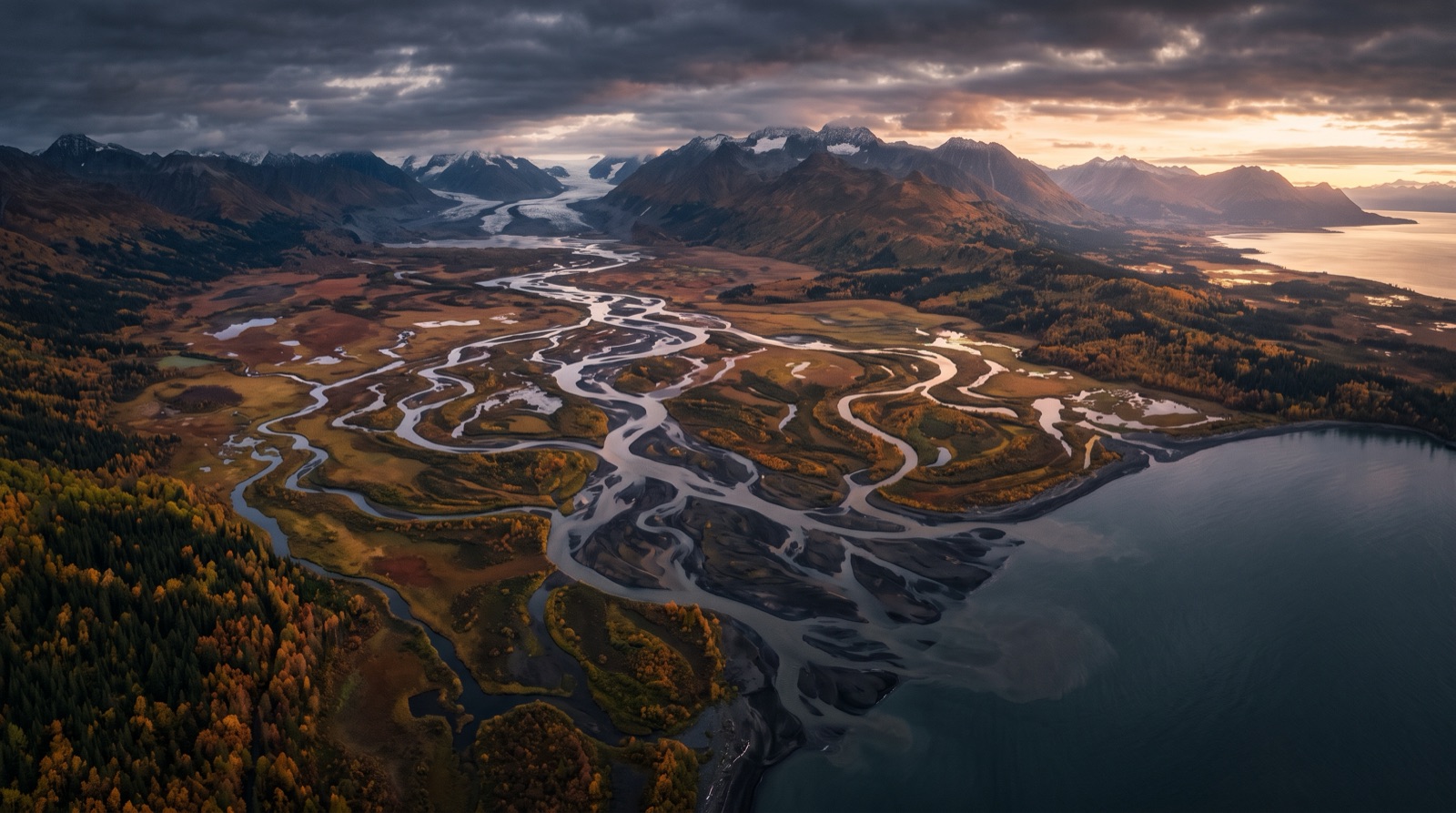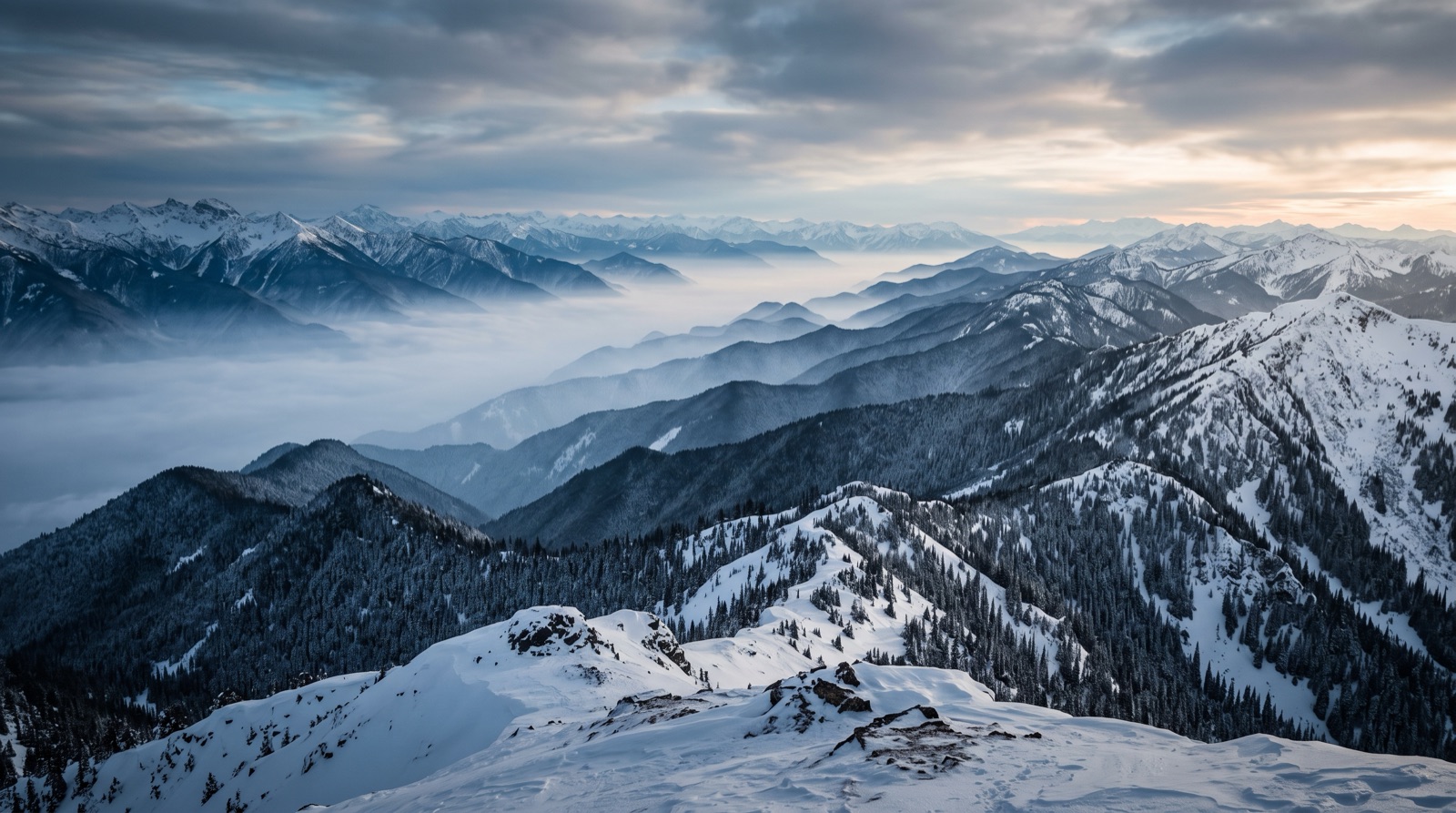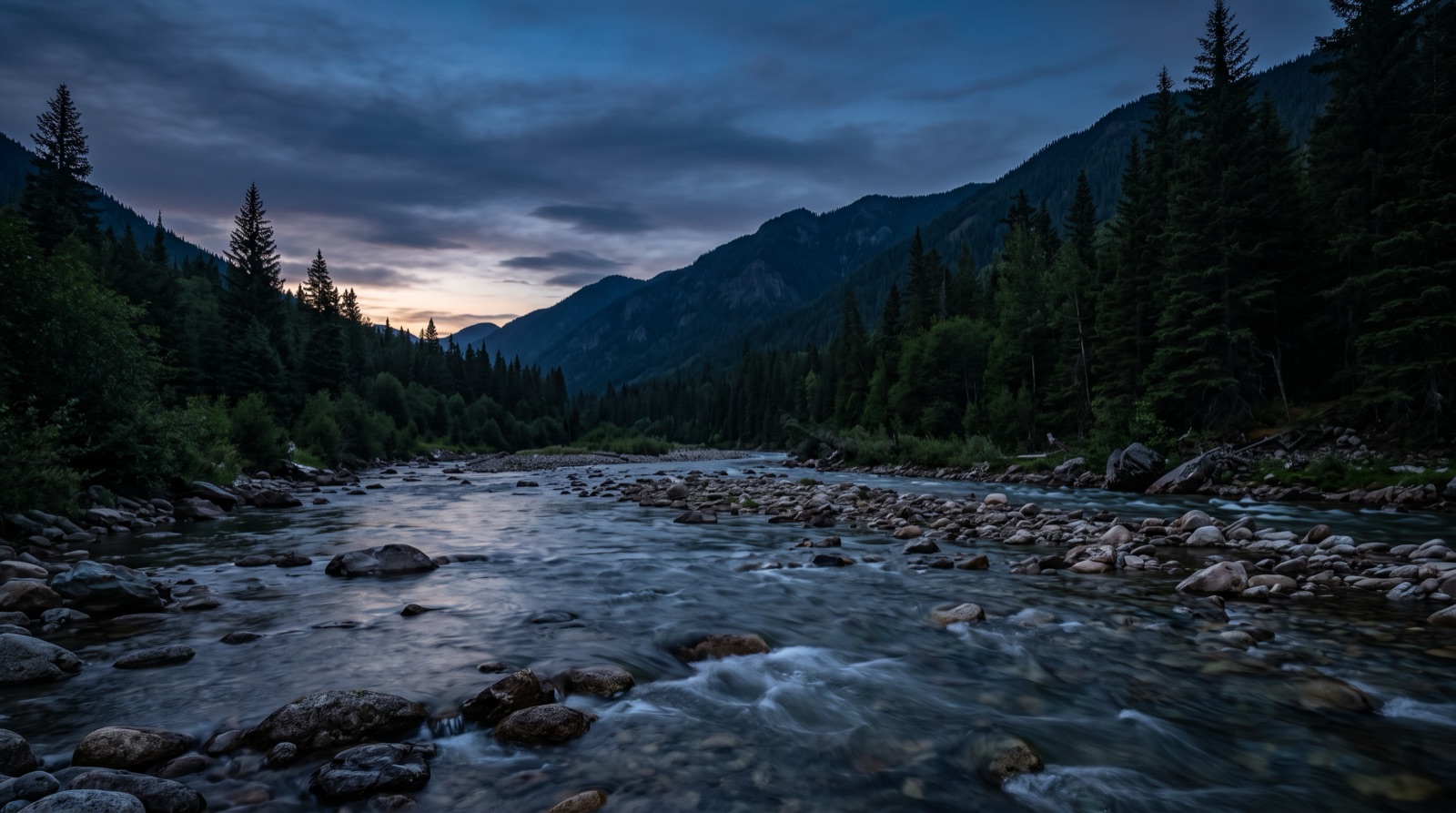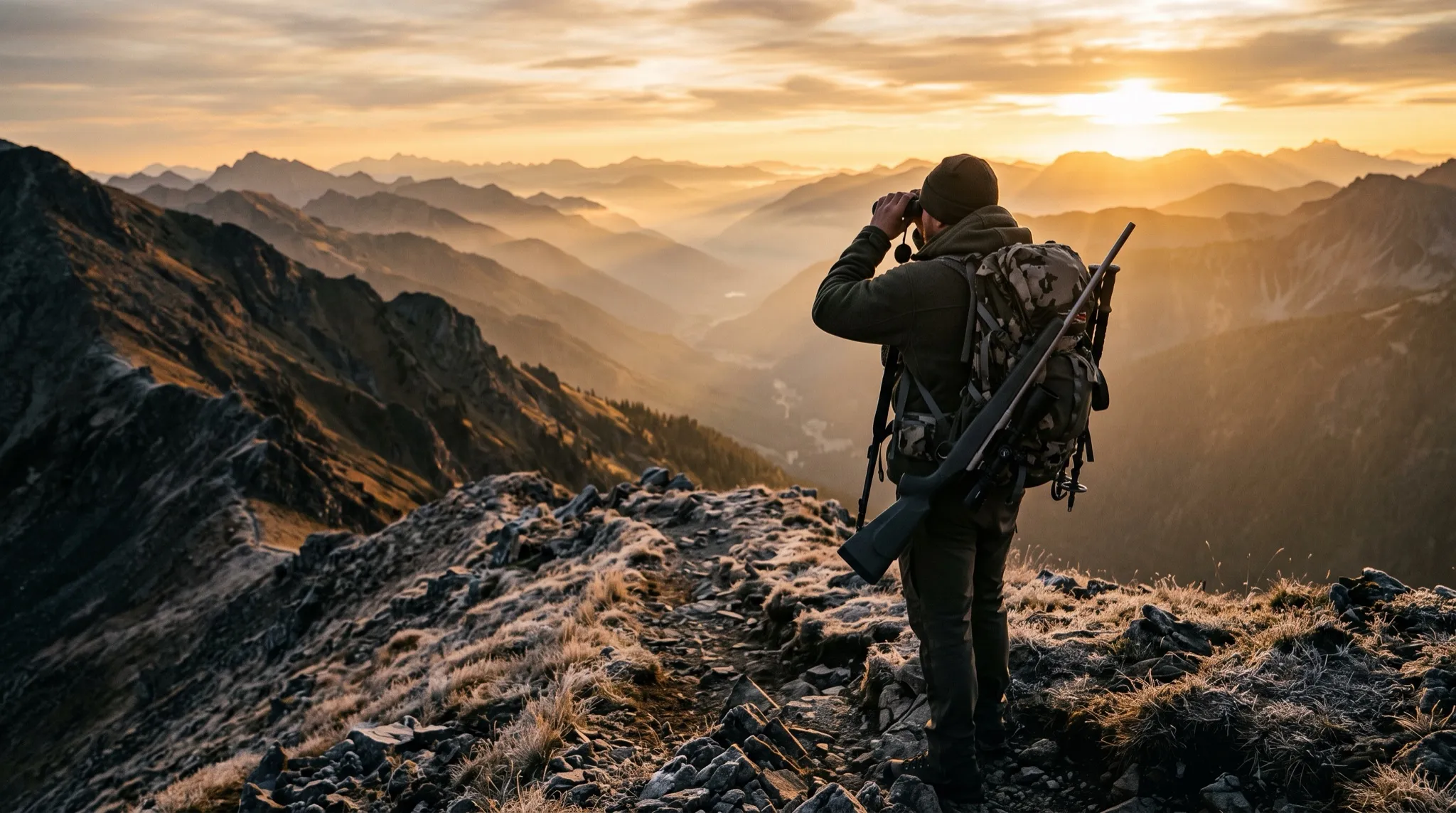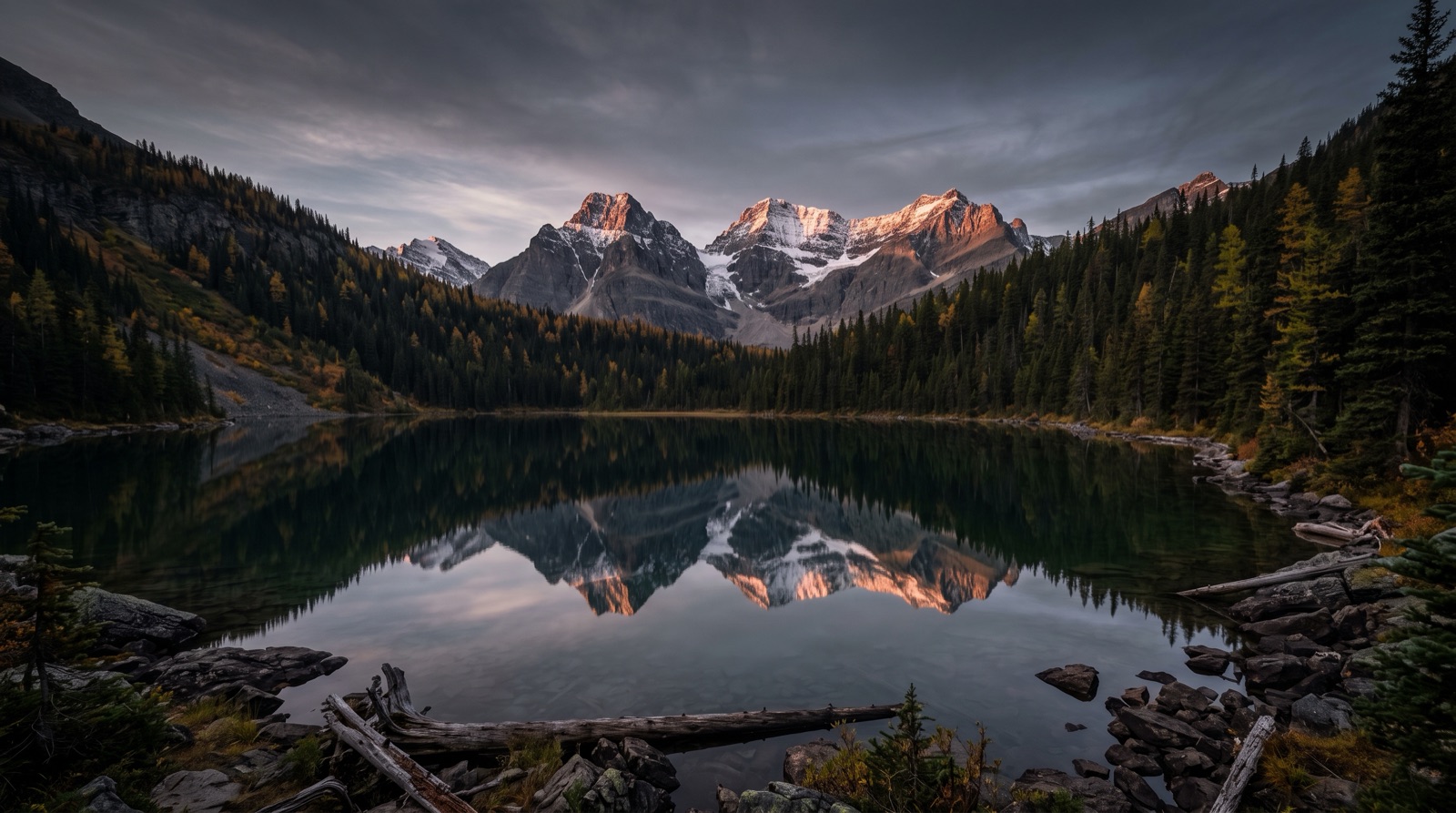
Two elk outfits are running the same unit. Same tags, same country, same odds. One has a website full of dim, blurry phone shots of dead bulls in bad light. The other has clean morning images — a hunter glassing a basin, steam off a wall tent, a bull down in golden light. Same hunt. The second guy books out months earlier and charges more. The difference isn’t the hunting. It’s the pictures.
That’s the uncomfortable truth about selling outdoor trips. A client can’t try before they buy. The only thing they have to go on is what they can see — and if what they see looks cheap, they assume the trip is too.
Photo and video for outdoor brands is the only test-drive a client gets
When someone’s deciding to drop two grand on a guided trip, they’re standing at the edge of a leap of faith. They’ve never met you. They can’t sample the fishing. So their brain does the only thing it can — it judges the experience by the media.
Great photo and video collapses that distance. A sharp image of a client holding a chrome steelhead, a clip of a dry fly getting crushed in slow motion, a shot of camp at last light — that’s the closest a prospect gets to being there before they pay. It doesn’t just show the trip. It makes them feel it.
A client never books the fishing. They book the picture of themselves in the fishing. Your job is to make that picture impossible to look away from.
Cheap media does the opposite. A dark, grainy, sideways phone shot doesn’t read as “humble and authentic.” It reads as “this guy doesn’t sweat the details” — and details are exactly what you’re asking a stranger to trust you with.
What clients are actually reading in your photos
People think they’re judging the fish. They’re not — not only. They’re reading a dozen quiet signals about whether you’re a pro and whether they’ll have a good time. A strong image answers questions they haven’t even asked out loud:
- Is the fishing real and recent? Sharp, current proof shots say yes.
- Will I be taken care of? Clean camp, good gear, an unhurried client in the frame.
- Is this guy competent? Good light and framing signal you sweat the details — including theirs.
- Will I have fun? A genuine grin sells harder than the biggest fish. People book the feeling.
- Do I fit here? Showing a range of clients — first-timers, women, kids, not just trophy bros — tells more people “this is for you.”
You’re not building an art portfolio. You’re answering objections with a camera.
You don’t need a film crew — you need a standard
Here’s the good news: “high-quality” doesn’t mean expensive cinema gear and a producer. A modern phone shoots plenty good. The gap is almost never the equipment — it’s the standard you hold the shots to.
A few habits that lift your media instantly:
- Chase the light. Early morning and the last hour before dark beat harsh noon by a mile. You’re already out there at those times.
- Respect the fish and the frame. Wet hands, fish low over the net or water, clean background, horizon straight. A respectful shot is also a better-looking shot.
- Get the human in it. The client’s face, the hands, the grin — that’s what sells. A fish alone is a trophy; a fish with a happy person is a trip.
- Shoot more than the kill. The takeout, the coffee, the dog, the country. The story is the whole day, not just the result.
- Bank a few seconds of video every trip. A single clean clip a day adds up to a library that does your selling for years.
Build the discipline of capturing a handful of strong frames every day you’re out, and within a season you’ll have a deep well of real, recent media — worth more than any stock photo because it’s yours.
Where great media pays you back
Media isn’t a line item — it’s the fuel for every other channel you run. The same strong shots work everywhere at once:
- Your website earns trust in the three seconds before someone decides to keep reading or bounce.
- Your social feed lives or dies on it — it’s the whole reason people stop scrolling. We got into that in why social media matters for hunting and fishing brands.
- Your emails to past clients get opened and acted on when there’s a photo that reignites the itch.
Weak media drags all three down at once. Strong media lifts all three. That’s why we treat it as foundational, not a nice-to-have — see how it threads through everything on what we do, and look at the difference it makes across our work.
The fast site that does your media justice
One more piece people miss: great photos die on a slow or clunky website. If your images take six seconds to load on a phone — and nearly all your prospects are on a phone — they bounce before your best shot ever appears. The media and the site that displays it have to be built as one. A beautiful photo on a sluggish page is a beautiful photo nobody sees. We build fast, image-forward sites for exactly this reason; more on that in fast websites for outfitters.
And once the media has done its job — pulled someone in and made them want the trip — something has to catch them while they’re fired up. That’s where the Spotter takes over: the moment a prospect moved by your photos reaches out about dates, it answers instantly and captures the booking before the feeling fades.
The bottom line
Photo and video for outdoor brands isn’t decoration. It’s the entire test-drive, the trust-builder, and the reason a stranger decides you’re the real deal. Hold a high standard, shoot the story and not just the kill, and put it everywhere — because in a business where nobody can try before they buy, the picture is the product.
Want help turning the shots you’re already capturing into media that fills your calendar? Book a quick call and we’ll build the site, the feed, and the front desk to make every frame earn its keep.