Most outfitter marketing fails for one boring reason: it only happens when bookings are slow. You panic in February with an empty fall calendar, throw money at it, and go quiet again the second things fill. Then you’re right back in the panic the next winter.
A guided hunt has a long runway. A guy books his elk hunt eight, ten, sometimes twelve months out — draw odds, time off, saving up, talking the buddies into it. That means the work that fills this fall is happening in the dead of last winter. Marketing for hunting outfitters only works when it follows the calendar instead of fighting it.
Here’s a plan built around the year you actually live.
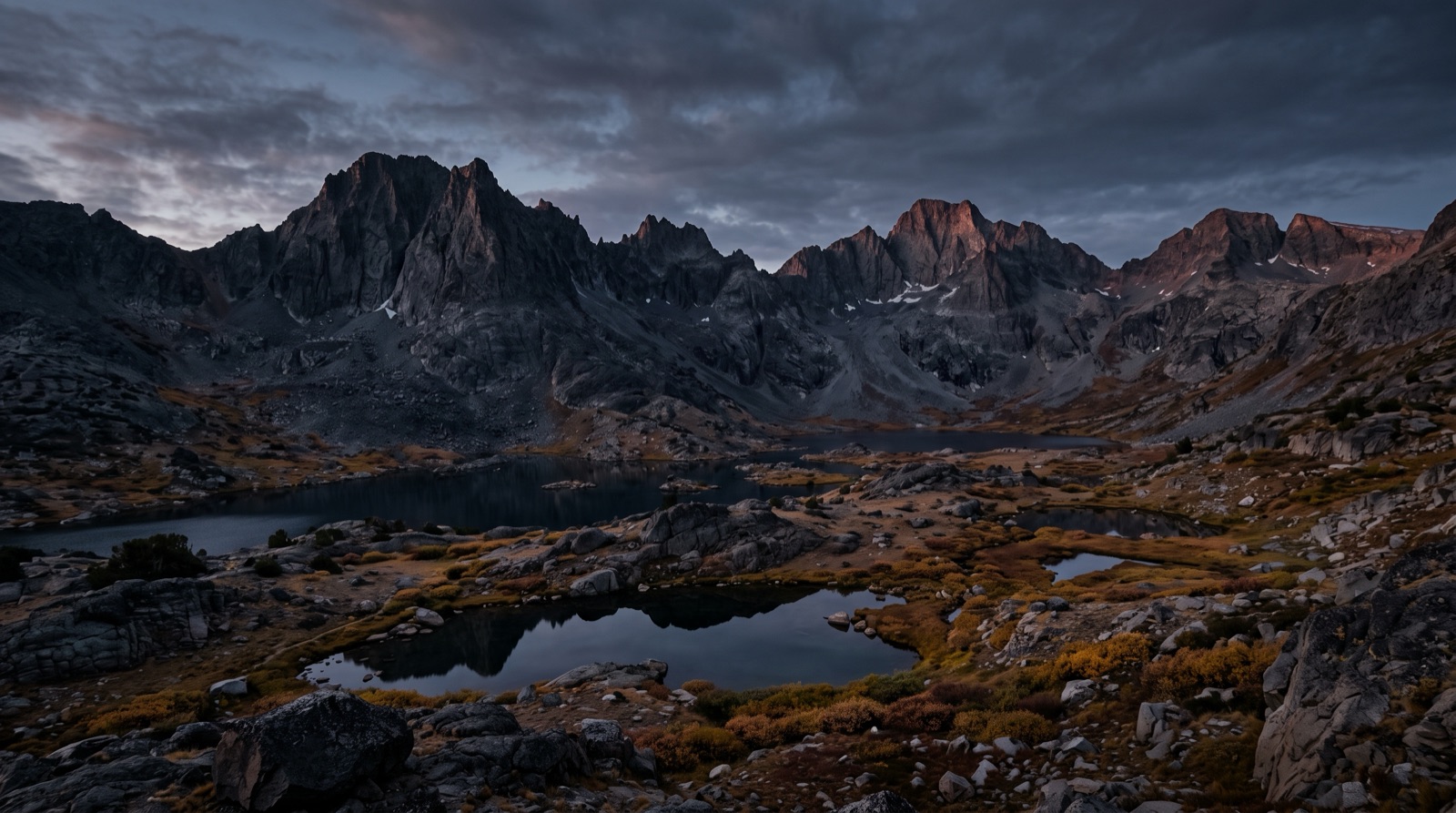
Winter: book the season while you’re off
This is your most important marketing stretch, and it’s the one outfitters waste sitting on the couch. Hunters who pulled a tag or are scheming next year’s hunt are researching right now, in January and February, from the kitchen table.
This is when the bookings get made. Your job in winter:
- Open your books loudly. Email past hunters first — they’re your warmest leads and your best referral source. A simple “limited dates left for next season, here’s how to lock yours” note closes hunts before a stranger ever finds you.
- Fix the website before you need it. Slow site, dead booking button, last year’s dates still up top — winter is when you fix all of it, not the night before a hunt. Start with the best website structure for hunting outfitters.
- Get found in the planning searches. “Guided elk hunt Colorado.” “Best outfitter for a first DIY-adjacent hunt.” This is the season people type those. Building SEO for hunting and fishing outfitters in winter pays off all spring.
The hunt you fill in October was booked in February. Outfitters who only market when they’re slow are always one full season behind the guys who don’t.
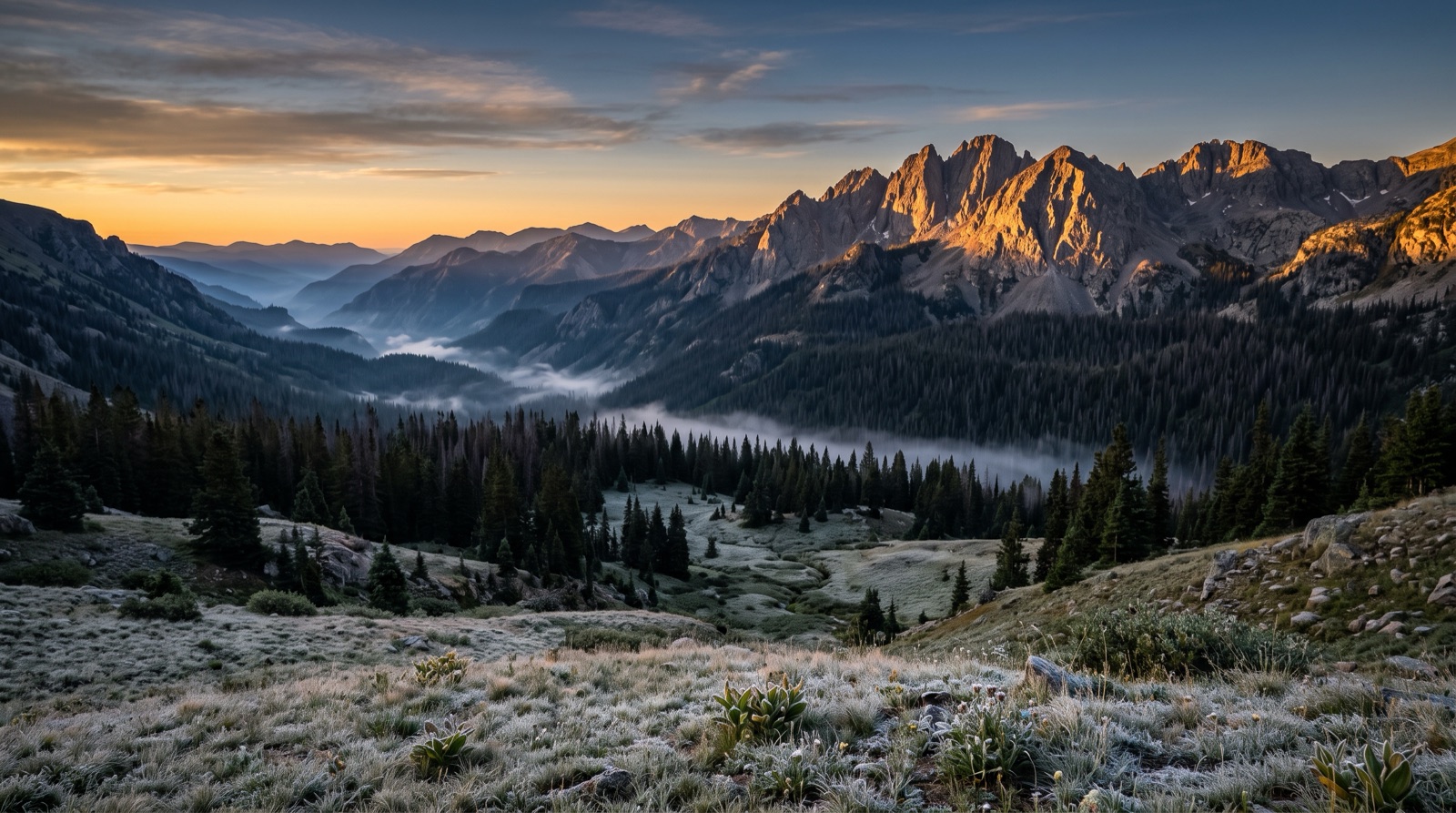
Spring: capture the draw-result rush
Draw results drop in spring, and they flip a switch. A hunter who’s been “maybe” for months is suddenly holding a tag and needs an outfit now. That’s a flood of high-intent, ready-to-book traffic — if you’re positioned to catch it.
Spring is also scouting season, which means you’re increasingly in the field and away from your phone. Bad timing: your inquiries spike exactly as your ability to answer them drops.
So spring is about being reachable when you can’t be. Make sure every page answers the post-draw questions fast — units you hunt, success rates you can honestly stand behind, what’s included, what a hunt costs. And put something in the gap for the inquiries that land while you’re on a ridge with no signal. More on that below — it’s the single biggest leak in this business.
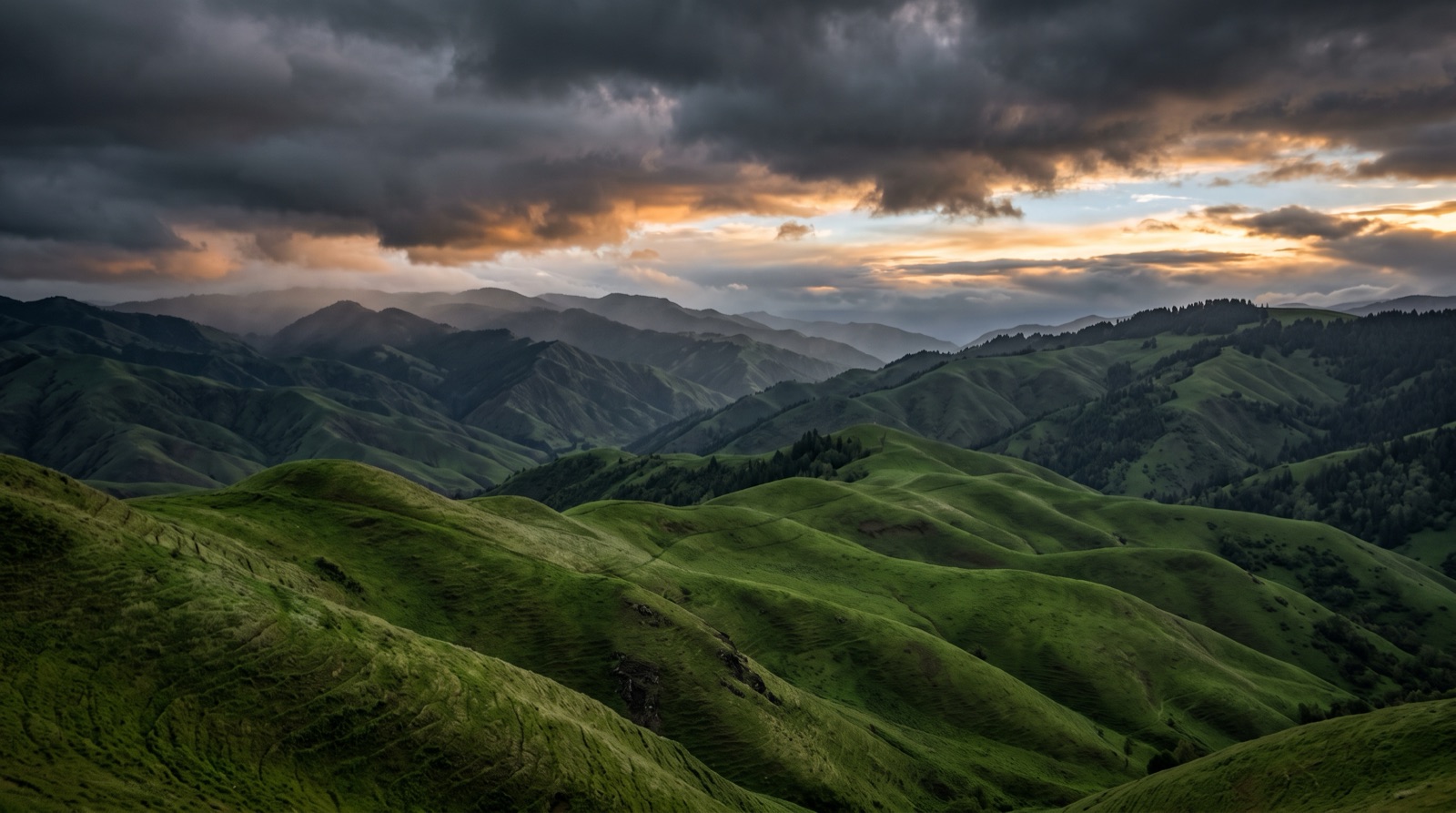
Summer: build trust and stack content
Summer is your slower booking stretch, so it’s tempting to go dark. Don’t. This is when you build the proof that converts next winter’s hunters.
Use the quieter weeks to:
- Bank media. Scouting cams, glassing footage, last fall’s harvest photos with permission, the camp, the horses, the country. A hunter buying a sight-unseen hunt is buying trust, and trust is built with real imagery — here’s why high-quality media matters.
- Stay visible socially. Off-season is exactly when you keep showing up so you’re top of mind at draw time. We made that case in why social media matters for hunting and fishing brands.
- Grow the list. Every inquiry, every past hunter, every “maybe next year” goes on an email list you’ll mail in winter. That list is the cheapest bookings you’ll ever make.
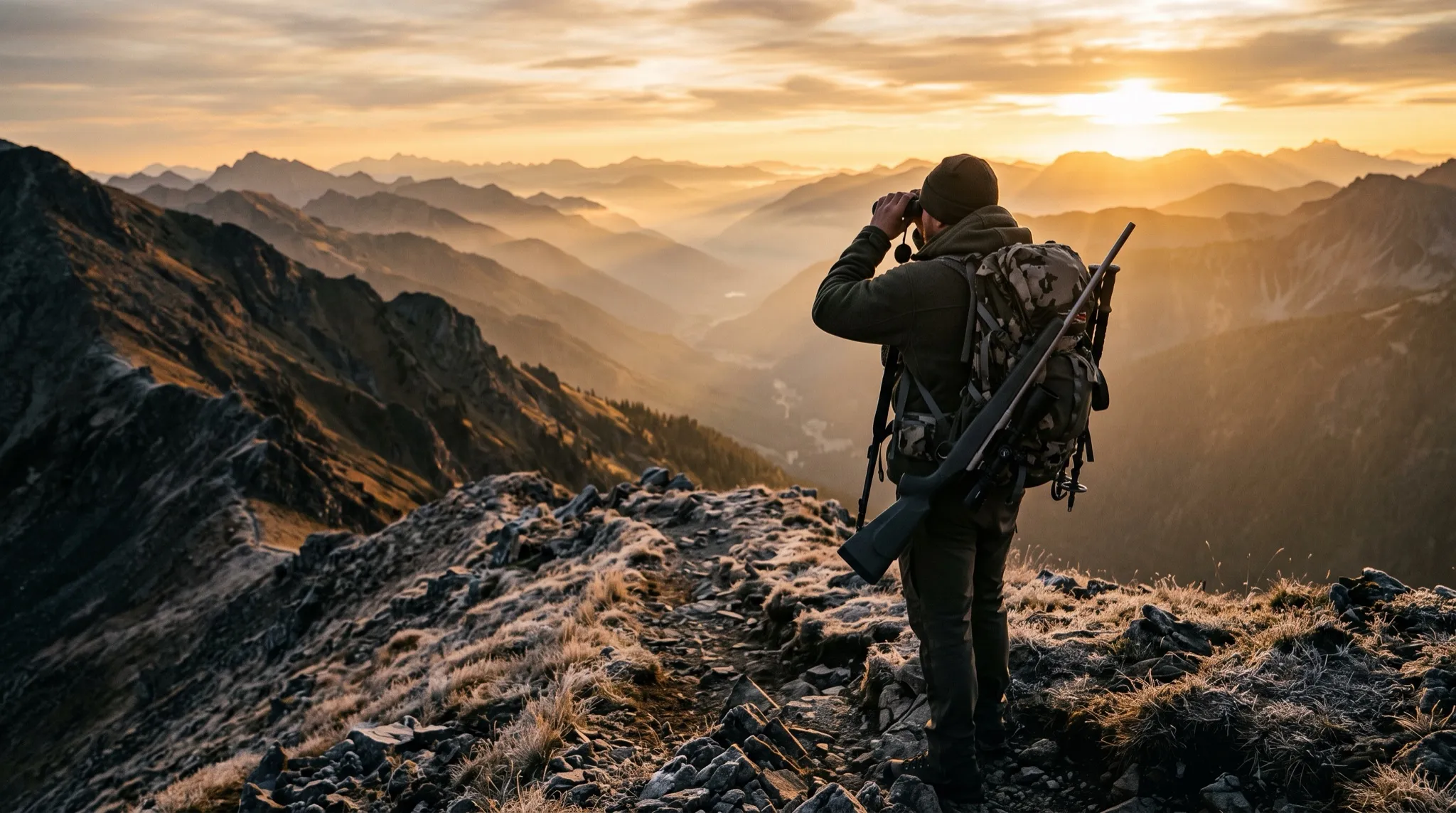
Fall: protect the pipeline while you guide
Now you’re hunting clients hard, in camp, gone for days, no signal. Here’s the cruel part of the calendar: fall is your busiest guiding stretch and a heavy inquiry stretch at the same time. Hunters watching this season unfold are already thinking about next year, and they’re reaching out while you’re a drainage away from a cell tower.
Almost every one of those inquiries that hits voicemail or a dead contact form is gone. A hunter who calls three outfitters books the one who answers first, and you physically cannot be that outfitter from a wall tent.
This is where the Spotter does the work you can’t. It’s a 24/7 booking concierge on your website that picks up the instant a hunter reaches out — answers seasons, units, rates, and availability, then captures their name and dates and drops the lead straight to your phone so you can close it the second you’re back in service. It runs nights, weekends, and the entire stretch you’re in camp. One saved hunt pays for a year of it.
If you want the full breakdown of how guides bleed bookings without realizing it, we laid it out in the missed-call problem — it’s the most fixable leak in your whole operation.
The year, on one page
The point isn’t to do everything at once. It’s to do the right thing in each season so the work is always running a year ahead of the bookings:
- Winter — open the books, email past hunters, fix the site, build search presence.
- Spring — catch the draw rush, stay reachable while you scout.
- Summer — bank media, stay visible, grow the list.
- Fall — let an always-on front desk protect the pipeline while you guide.
Do that, and you stop living in the February panic. The calendar fills itself because you planted it in the right season — and a ready hunter never reaches voicemail and books the outfit down the road instead.
Want help building this around your specific seasons and units? Book a quick call and we’ll map your year with you — or message the front desk on this page and see how it’d field a hunter’s questions for you.